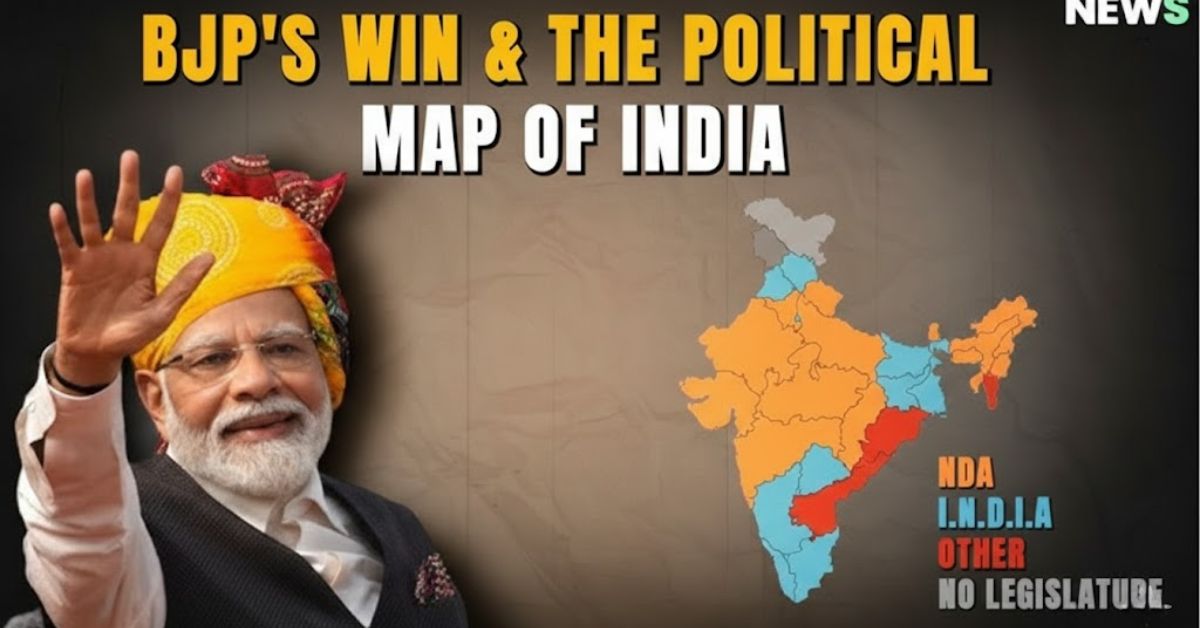
Modi vs Raut-In Indian politics, few confrontations grab as much attention as Modi vs Raut. It’s not just a war of words—it’s a battle of influence, ideology, and identity. Narendra Modi, India’s Prime Minister and the face of the Bharatiya Janata Party (BJP), represents national strength, central authority, and political control. Sanjay Raut, the fiery Shiv Sena (UBT) leader and journalist-turned-MP, represents regional assertiveness, outspoken dissent, and a fearless approach to power.
The confrontation between these two figures is not merely a headline feud—it symbolizes the deeper fault lines of Indian democracy. It’s a contest between central dominance and state pride, between power and principle, and between calculated silence and fearless speech.
When Sanjay Raut questioned Modi’s leadership decisions and hinted at discussions within the Rashtriya Swayamsevak Sangh (RSS) about succession, it shook political circles. The claim wasn’t just about one leader’s retirement—it was a shot fired at the heart of India’s power structure.
This is the story of how a single statement by Raut turned into a national debate, sparking one of the most fascinating political dramas of 2025.
Modi’s Political Powerhouse
To understand Modi vs Raut, one must first understand the gravity of Narendra Modi’s position. Over the last decade, Modi has built not just a government, but an ecosystem—an alliance of politics, policy, and perception that defines modern India’s power map.
Modi’s leadership style is rooted in decisive governance. From foreign policy to digital transformation, he’s maintained control over every layer of the administration. His communication strategy, often described as disciplined and direct, connects him with millions of Indians emotionally.
Modi’s dominance, however, also means that any challenge—even verbal—echoes nationwide. His ability to centralize decision-making has won him admiration for efficiency, but criticism for overreach. It’s this balance that creates fertile ground for voices like Raut’s to rise.
In this dynamic, Modi stands as the symbol of continuity and strength, while Raut’s defiance becomes the mirror reflecting India’s democratic dissent.
| Section | Quick Summary |
|---|---|
| 1. The Political Earthquake | The story behind the growing rift between Narendra Modi and Sanjay Raut. |
| 2. Modi’s Political Powerhouse | How Modi became the defining force in Indian politics. |
| 3. Raut’s Rise and Resistance | Why Sanjay Raut is emerging as one of the boldest critics in Maharashtra. |
| 4. Flashpoints That Ignited the Clash | The turning points that turned disagreement into political drama. |
| 5. The Centre vs State Power Play | What this confrontation says about India’s shifting political balance. |
| 6. The Media War and Public Perception | How statements, symbolism, and social media fuel the Modi vs Raut narrative. |
| 7. What It Means for India’s Future | Why this rivalry is reshaping both alliances and public opinion. |
| 8. FAQs | Answering the most-searched questions about Modi vs Raut. |
| Element | Modi’s Approach | Impact |
|---|---|---|
| Leadership | Centralized and disciplined | Stability and quick execution |
| Communication | Nationalistic and emotional | Strong mass connection |
| Politics | Policy-driven with symbolic edge | Consolidated voter base |
| Criticism | Often ignored publicly | Creates space for counter-narratives |
Raut’s Rise and Resistance
Sanjay Raut isn’t a new name in Indian politics, but his boldness in taking on national figures like Modi has given him a unique position. As the Executive Editor of Saamana, Raut’s pen has often been sharper than any sword. His words carry weight, not only because of his political role but because of his ability to articulate regional sentiments that many hesitate to voice.
When Raut speaks, he speaks for Maharashtra’s assertive spirit—the legacy of Bal Thackeray’s Shiv Sena—but with a modern twist. His comments on Modi’s political future were less about retirement and more about reclaiming political space for regional voices.
Raut’s defiance reflects a broader shift in Indian politics: regional leaders refusing to be overshadowed by the central narrative. His fight isn’t just against Modi; it’s against the shrinking autonomy of state-based political movements.
This is why the Modi vs Raut clash feels bigger than a spat—it’s a sign that India’s political balance between Delhi and the states is being renegotiated in real time.
Flashpoints That Ignited the Clash
The current phase of Modi vs Raut didn’t erupt overnight. It’s been building through months of exchanges, statements, and symbolic jabs.
One key flashpoint was when Raut claimed that Modi’s recent visit to Nagpur was to “announce retirement,” and that discussions about his successor were already underway within the RSS. This statement was more than speculation—it was political provocation.
Another flashpoint was Raut’s criticism of central agencies, which he alleged were being used to target opposition leaders unfairly. His open defiance of what he calls “selective power politics” has often irritated the BJP, but it’s also earned him praise among opposition ranks.
The third major flashpoint came during Maharashtra’s shifting political alliances, when Raut accused Modi’s government of trying to destabilize regional parties and silence dissenting voices.
| Flashpoint | What Happened | Political Effect |
|---|---|---|
| RSS Succession Claim | Raut’s “retirement” statement | Stirred succession debates |
| Agency Allegations | Raut accuses Centre of bias | Boosted his opposition standing |
| Maharashtra Alliances | Dispute over Sena factions | Deepened political fault lines |
These moments transformed routine political disagreements into an ideological clash that defines Modi vs Raut today.
The Centre vs State Power Play
At the heart of Modi vs Raut lies the eternal tug-of-war between the Centre and the States. Modi’s BJP government represents centralized efficiency—one nation, one policy, one leadership. Raut, on the other hand, stands for regional pride and the preservation of local power structures.
This power play isn’t limited to Maharashtra. Across India, similar friction is visible—from West Bengal to Tamil Nadu—where state leaders resist what they see as the “Delhi model” of politics. But in Maharashtra, this tension carries special weight because of the state’s political and economic significance.
Raut’s battle is symbolic of this broader struggle. His defiance isn’t only against Modi personally, but against the system that sidelines regional autonomy. Meanwhile, Modi’s firm leadership aims to maintain a unified national vision without conceding too much decentralization.
It’s a delicate dance of democracy—one that reveals how India’s federal framework continues to evolve through contest and conversation.
The Media War and Public Perception
No modern political rivalry is complete without the role of media—and in Modi vs Raut, it’s the battlefield itself. Raut, with his journalistic background, understands the power of headlines. Modi, a master communicator, controls narrative through precision and discipline.
Their styles couldn’t be more different. Raut speaks raw and emotional, capturing immediate attention. Modi delivers measured words that shape long-term perception. Raut writes in Saamana; Modi speaks to the nation through Mann Ki Baat.
Social media amplifies this clash further. Every Raut statement becomes a viral headline, every Modi silence becomes speculation. In this digital duel, perception becomes power. The one who owns the story owns the people.
| Platform | Raut’s Strategy | Modi’s Strategy |
|---|---|---|
| Traditional Media | Provocative and fearless | Disciplined and calculated |
| Social Media | Emotional, direct posts | Strategic, theme-based messaging |
| Public Speeches | Regional assertiveness | National vision |
| Narrative Control | Reactive and sharp | Predictive and dominating |
In many ways, this rivalry has made Indian politics more media-savvy than ever. The battle isn’t just for votes—it’s for attention, emotion, and engagement.
What It Means for India’s Future
Every major political clash carries a lesson for the nation. Modi vs Raut is no exception. It signifies the maturity—and the fragility—of India’s democratic debate.
The clash signals that regional leaders are finding their voices again, asserting independence in the face of central dominance. It’s healthy for democracy when dissent exists within respect for constitutional limits.
It also reflects the evolution of Indian voters. People are more informed, connected, and analytical than ever. They observe both Modi’s macro-leadership and Raut’s micro-level criticism with equal interest. They value leadership but demand accountability.
The future of Indian politics will be shaped by how such rivalries evolve. If they remain rooted in issues, they’ll strengthen democracy. If they descend into personality wars, they’ll weaken it.
One thing is certain: the Modi vs Raut confrontation has already redrawn India’s political map. It has reminded both the powerful and the challengers that in a democracy, no voice is too small to shake the system.
FAQs
Q1: What is the Modi vs Raut clash about?
It’s a political confrontation between Prime Minister Narendra Modi and Shiv Sena (UBT) leader Sanjay Raut, revolving around national leadership, regional autonomy, and succession politics.
Q2: Why did Raut comment on Modi’s retirement?
Raut’s remark was meant to highlight discussions within political circles about future leadership, but it also served as a challenge to Modi’s image of invincibility.
Q3: Is Raut part of the opposition alliance?
Yes, Raut represents the Shiv Sena (Uddhav Balasaheb Thackeray) faction, aligned with the INDIA opposition bloc.
Q4: How has the BJP responded to Raut’s statements?
BJP leaders largely dismiss his remarks as baseless, maintaining that Modi continues to lead both the party and the nation with stability.
Q5: What does this clash mean for Maharashtra politics?
It strengthens the opposition’s identity while testing BJP’s hold in a key state ahead of future elections.
Q6: Does Modi vs Raut affect national politics?
Yes, it symbolizes the ongoing debate between central authority and regional power—a theme that shapes India’s political future.
Q7: Who has more public support?
Modi remains the dominant national figure, but Raut’s influence among regional voters and opinion-makers keeps him relevant.
Q8: What can we expect next?
More statements, more symbolism, and more realignments. The story of Modi vs Raut has only just begun.
Final Thoughts
The story of Modi vs Raut is the story of modern Indian politics—where conviction meets control, and where courage dares to challenge the crown. It’s less about enmity and more about energy—the energy that keeps democracy alive through debate and difference.
In this clash, India doesn’t lose—it evolves. The questions it raises about leadership, loyalty, and legacy will shape not just 2025, but the decade ahead.
Keywords: Modi vs Raut, Narendra Modi, Sanjay Raut, Indian politics 2025, Maharashtra politics, BJP, Shiv Sena UBT, RSS succession, Modi vs Raut news, India power map