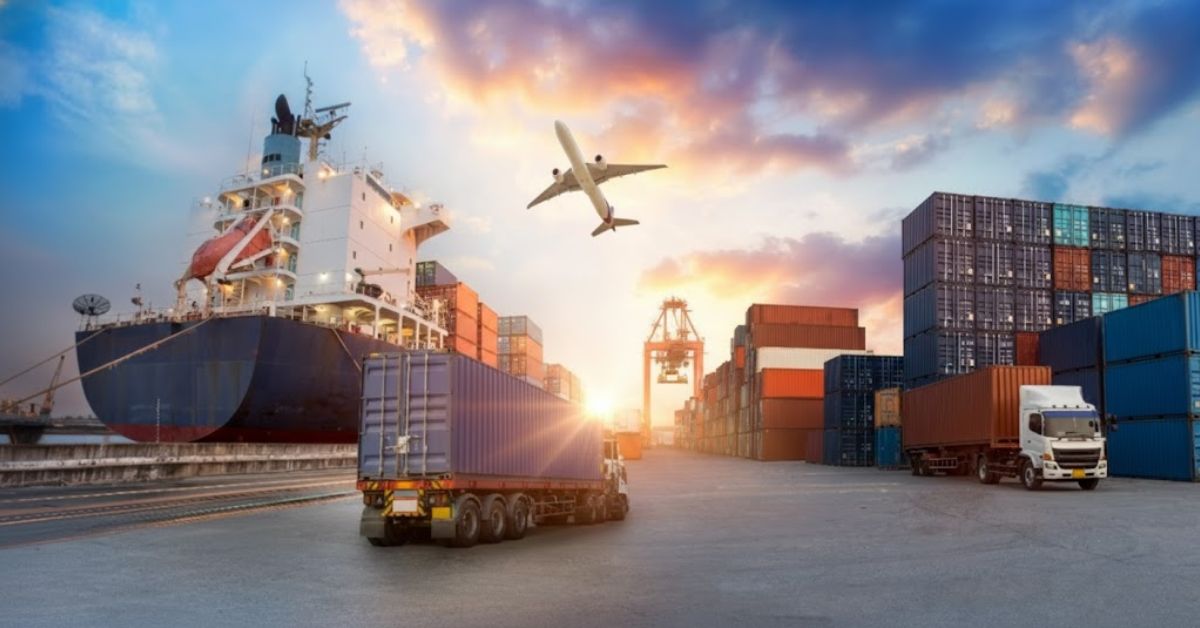
Introduction: Growing Importance of Cross-Border Trade in 2025
Cross-border trade refers to the exchange of goods and services between countries. In today’s globalized world, it’s crucial for businesses and economies alike. With new trade agreements and rapidly changing technologies, cross-border trade has become more dynamic than ever before. As we move further into 2025, understanding the opportunities and challenges it presents is key to staying competitive in international markets.
Rise of Cross-Border Trade in the Global Economy
Cross-border has been growing steadily for decades, but its importance has spiked in the last few years. In 2025, it’s expected to hit new heights, with the expansion of emerging markets and the opening of new trade routes. But why is this happening now?
The Role of Trade Agreements
One key factor driving the rise of cross-border trade is the proliferation of trade agreements. The United States-Mexico-Canada Agreement (USMCA), the Regional Comprehensive Economic Partnership (RCEP), and the Africa Continental Free Trade Area (AfCFTA) are just a few examples. These agreements reduce tariffs and open markets, making it easier for countries to trade with each other.
Advancements in Technology
Technology is also a major enabler. From blockchain for secure transactions to AI-powered logistics and e-commerce platforms, innovations are making cross-border trade faster, cheaper, and more secure. For instance, platforms like Shopify and Amazon enable small businesses to easily sell products across borders with just a few clicks.
Changing Consumer Demands
Consumers today are more demanding, seeking products from around the world. This demand drives businesses to source goods from overseas, fueling cross-border trade. It’s not just about importing or exporting goods anymore; it’s about delivering what the customer wants, when they want it.
Opportunities in Cross-Border Trade
As the global economy becomes more interconnected, the opportunities for businesses engaging in cross-border trade have expanded. Let’s look at some of the most exciting prospects for 2025.
Expanding into New Markets
The most obvious opportunity in cross-border trade is market expansion. Whether you’re in the fashion industry, tech sector, or even food and beverage, international markets are full of untapped potential. For example, e-commerce businesses can target consumers in regions like Southeast Asia and Africa, where internet penetration is on the rise.
Market Insights Table
| Region | Growth Rate (2025) | Key Sectors for Cross-Border Trade |
|---|---|---|
| Southeast Asia | 6.5% | Electronics, Fashion, Health |
| Africa | 7.1% | Agriculture, Technology, Textiles |
| Latin America | 4.9% | Automotive, Consumer Goods |
Lowering Operational Costs
Cross-border allows businesses to source products or materials from regions where they can be produced more cost-effectively. For example, many US companies import tech parts from China, where manufacturing costs are lower, and then assemble them locally or ship them globally.
Leveraging Digital Platforms
Thanks to platforms like Amazon, Alibaba, and eBay, businesses can sell products internationally without needing a physical presence in another country. This opens up opportunities for small and medium-sized enterprises (SMEs) to participate in cross-border trade, removing the traditional barriers to entry such as high shipping costs and tariffs.
Challenges in Cross-Border Trade
While the opportunities are abundant, cross-border trade comes with its own set of challenges that businesses must navigate. Here are the major hurdles facing international traders in 2025.
Tariffs and Trade Barriers
Despite the growth of trade agreements, tariffs and other trade barriers still pose significant challenges. Protectionist policies, such as tariffs on goods from China or Europe, can increase costs and disrupt supply chains. Businesses need to stay updated on international trade laws and be agile enough to adapt to changing tariffs.
Logistics and Shipping Delays
With global supply chains still recovering from the disruptions caused by the COVID-19 pandemic, logistics remain a challenge. Shipping delays, rising costs of freight, and limited availability of containers continue to affect cross-border trade. Businesses must find reliable partners and consider alternatives like local warehousing or digital goods to mitigate shipping risks.
Currency Fluctuations
When trading across borders, businesses are exposed to the risks of currency fluctuations. A sudden shift in exchange rates can impact the profitability of a deal, making it harder for companies to forecast and budget effectively. Hedging strategies and financial instruments are often used to manage these risks, but they require expertise.
Latest Trends in Cross-Border Trade
As we move into 2025, several trends are shaping the future of cross-border trade. Let’s explore them.
E-Commerce as a Driving Force
E-commerce continues to be a driving force behind cross-border trade. Consumers now expect to buy products from international sellers with ease, and they are increasingly comfortable with cross-border transactions. Cross-border e-commerce platforms are growing rapidly, and logistics companies are adapting to provide faster international delivery options.
Sustainable Trade Practices
There is an increasing demand for sustainable trade practices. Companies are now focusing on reducing their carbon footprint by sourcing materials locally or choosing eco-friendly shipping options. Many businesses are also considering the environmental impact of their supply chains, from production to transportation.
Rise of Global Freelance and Remote Work
Another trend affecting cross-border trade is the rise of the global gig economy. Freelancers and remote workers from different parts of the world can collaborate on projects, exchanging services rather than goods. This shift is influencing how companies think about international trade, moving away from physical products and toward intellectual property and services.
How to Get Started in Cross-Border Trade
If you’re a business looking to tap into cross-border trade, here are a few steps to get you started:
1. Conduct Market Research
Before venturing into new markets, it’s essential to understand the local demand, competition, and regulations. Market research tools and platforms like Statista, Google Trends, and local business forums can help you gauge the potential.
2. Build Strong Partnerships
One of the most important aspects of cross-border trade is building strong relationships with overseas suppliers and customers. Establish trust and communication to ensure smooth transactions.
3. Focus on Logistics
Ensuring efficient shipping and delivery is crucial. Work with reliable logistics partners who understand the complexities of international shipping. Also, consider the option of warehousing in key regions to reduce shipping times.
FAQs about Cross-Border Trade
Q1: What are the main benefits of cross-border trade?
A1: Cross-border trade opens up new markets, lowers operational costs, and provides access to new suppliers and customers. It also enables businesses to leverage emerging technologies like e-commerce platforms to expand their reach.
Q2: How can small businesses get involved in cross-border trade?
A2: Small businesses can use platforms like Amazon, Shopify, and Alibaba to sell internationally. They can also partner with local distributors or consider dropshipping to reduce logistics costs.
Q3: What are the risks of cross-border trade?
A3: Risks include fluctuating tariffs, currency exchange risks, shipping delays, and potential trade barriers. Businesses must stay informed about international regulations and market trends to mitigate these risks.
Q4: How can technology improve cross-border trade?
A4: Technology simplifies transactions through secure payment systems, improves supply chain management with AI, and helps businesses manage inventory efficiently through automation.
Conclusion: The Future of Cross-Border Trade in 2025
As we look toward 2025, cross-border trade will continue to evolve, driven by new technologies, changing consumer preferences, and the expansion of global markets. While challenges remain, the opportunities for businesses to grow internationally are greater than ever. By staying informed and adapting to the trends, companies can position themselves for success in this dynamic and increasingly interconnected world.