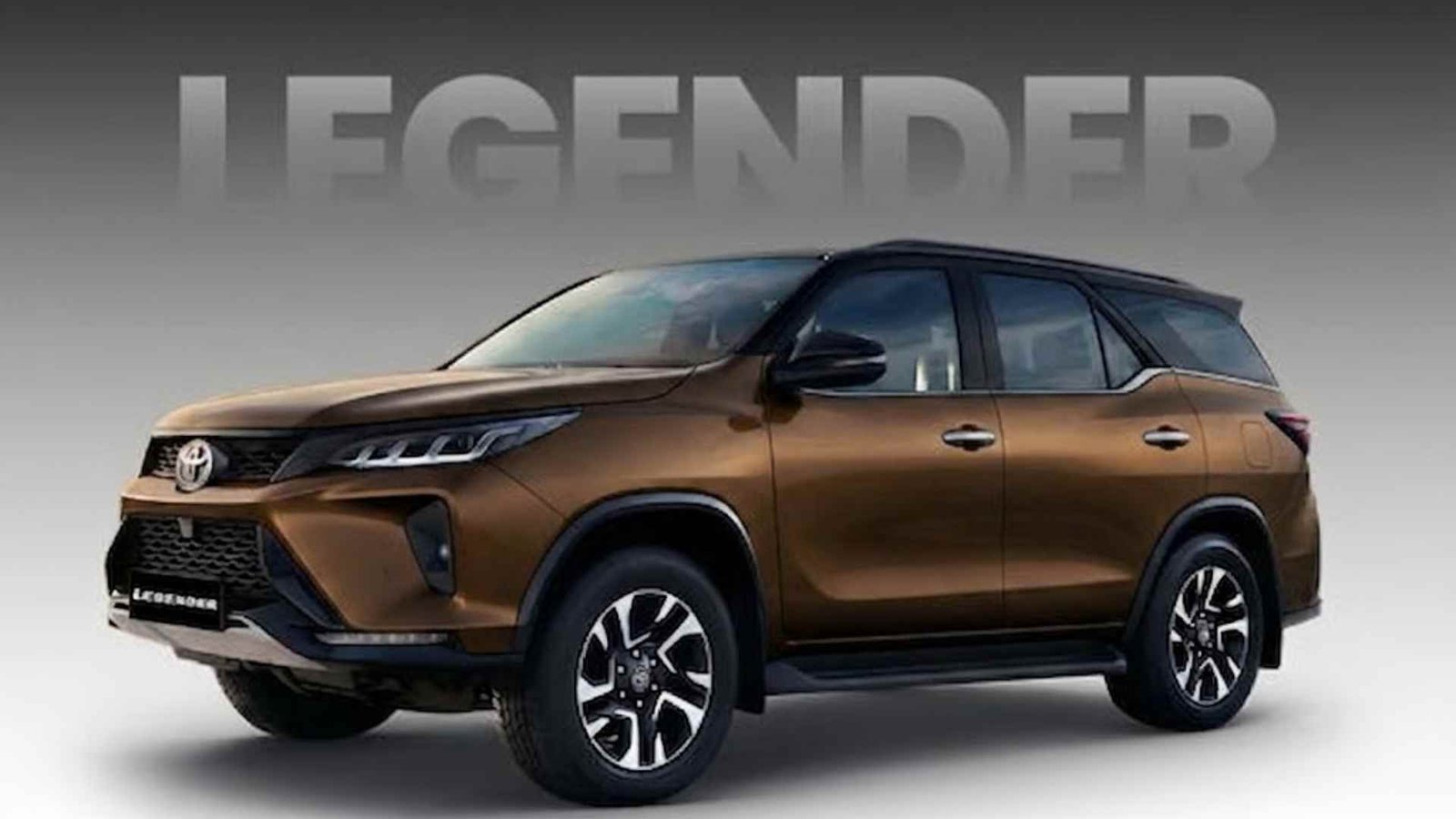
Toyota Fortuner– is one of the most respected SUVs in India. It is not just a car; for many buyers, it is a status symbol, a family SUV, a highway machine and a rough-road companion. In Indian cities, highways, villages and hill areas, the Fortuner has created a strong image because of its muscular design, powerful diesel engine, Toyota reliability and excellent resale value.
Toyota Fortuner– Even today, when many new SUVs are coming with large touchscreens, ADAS, panoramic sunroof and luxury-style cabins, the Toyota Fortuner still has a different fan base. People do not buy it only for features. They buy it because it feels tough, reliable and commanding on the road. It gives confidence that the car can handle bad roads, long trips and years of usage without too much drama.
But the big question is: is the Toyota Fortuner still worth buying in 2026? The price has gone up a lot over the years, and many buyers now feel that the SUV is expensive compared to the features it offers. At the same time, its strong resale value, proven engine and low long-term risk still make it attractive.
This buying guide explains the Toyota Fortuner in a real-life Indian way. We will talk about design, build quality, comfort, mileage, engine performance, city and highway use, maintenance cost, common problems, best variant, rivals, pros and cons, and whether you should buy it or avoid it.
Key Details Table
| Details | Toyota Fortuner Information |
|---|---|
| Category | Premium 7-seater SUV |
| Body Type | Body-on-frame SUV |
| Seating Capacity | 7 seats |
| Engine Options | 2.7L petrol and 2.8L diesel |
| Diesel Power | Around 204 PS |
| Diesel Torque | Up to 500 Nm in automatic |
| Petrol Power | Around 166 PS |
| Petrol Torque | Around 245 Nm |
| Transmission | Manual and automatic options |
| Drive Type | 2WD and 4WD options |
| Fuel Tank | Around 80 litres |
| Real-World Mileage | Around 6–14 kmpl depending on variant and use |
| Expected Price Range | Around Rs 35 lakh to Rs 51 lakh ex-showroom |
| Main Rivals | MG Gloster, Jeep Meridian, Skoda Kodiaq, Toyota Hilux |
| Best Variant | Diesel 4×2 Automatic for most buyers |
| Best For | Highway users, families, business owners, rough-road users |
| Main Strength | Reliability, resale value and road presence |
| Main Weakness | High price and limited premium features for the money |
Toyota Fortuner Design and Build Quality
The design of the Toyota Fortuner is one of its biggest selling points. It looks big, bold and powerful from every angle. The high bonnet, wide front grille, sharp headlamps, large wheels and muscular body give it a strong SUV personality. It does not look like a soft city crossover. It looks like a proper SUV that can handle tough roads.
The Fortuner has a tall stance, and that gives it a commanding look on Indian roads. When it comes from the front, it has a strong presence. This is one of the reasons why many people choose the Fortuner over more feature-loaded rivals. It simply looks more dominating.
The standard Fortuner has a rugged look, while the Legender variant looks more stylish and premium. The Legender gets a sharper front design, sportier bumpers and a more urban appeal. Buyers who want a more classy and modern look may prefer the Legender, while buyers who want a traditional tough SUV look may like the regular Fortuner more.
Build quality is another strong point. The Toyota Fortuner is based on a body-on-frame platform. This makes it feel tougher than many monocoque SUVs. It is built to handle rough roads, broken patches, village routes, highways and uneven surfaces. This is one reason why it is popular among people who travel outside cities often.
However, this tough build also has one drawback. The ride is not as soft as some luxury crossovers. The Fortuner feels strong and solid, but it may feel firm over bad roads, especially for rear passengers. Still, for buyers who value durability more than softness, the Fortuner feels very dependable.
Toyota Fortuner Display, Comfort and Road Presence
The cabin of the Toyota Fortuner is practical and solid, but it is not the most modern cabin in this price range. Toyota has given it useful features, but compared to some rivals, it may feel slightly old-school.
The SUV comes with a touchscreen infotainment system, Android Auto, Apple CarPlay, automatic climate control, connected car features in selected variants, premium upholstery, powered front seats, ventilated front seats in higher variants, JBL sound system in selected variants, cruise control and a powered tailgate.
The driving position is excellent. You sit high, and the road view is very clear. This makes the Fortuner feel confident in traffic and on highways. Many buyers love this high seating position because it gives a strong sense of control.
Front seat comfort is good. The seats are wide and supportive. Long drives are comfortable for the driver and front passenger. The second row also has decent space, but the ride can feel firm on rough roads. The third row is useful, but it is best for kids or short-distance adult use. For long journeys, adults may not find the third row very comfortable.
Road presence is one area where the Toyota Fortuner is very strong. It has a premium and powerful image in India. Whether it is parked outside a hotel, office, farmhouse or highway dhaba, it attracts attention. For many buyers, this road presence is a major reason to buy the Fortuner.
Toyota Fortuner Engine and Performance Details
The Toyota Fortuner is available with petrol and diesel engine options. The diesel engine is the more popular choice because it suits the size and weight of the SUV better.
The 2.8-litre diesel engine produces around 204 PS and up to 500 Nm of torque in automatic form. This engine is strong and has good pulling power. It feels confident during overtaking, hill driving and highway cruising. The diesel engine may not be the most silent engine in the segment, but it feels powerful and reliable.
The 2.7-litre petrol engine is smoother and quieter than the diesel. It produces around 166 PS and 245 Nm of torque. It is good for buyers who drive less and want a petrol SUV, but it does not feel as punchy as the diesel. Also, petrol mileage is lower, so daily running cost can be high.
The automatic gearbox is better for city use because it reduces driving effort. The manual variants are suitable for buyers who like more control and want a lower purchase price, but in heavy traffic, the manual can feel tiring because the Fortuner is a large SUV.
The 4×4 variants are useful for people who travel to mountains, farms, rough areas, snow regions or off-road routes. For normal city and highway use, the 4×2 variant is enough.
Toyota Fortuner Performance in Real-Life Use
In real-life driving, the Toyota Fortuner feels powerful and confident. The diesel automatic is the easiest and most enjoyable version for most buyers. It has enough torque to move the heavy SUV without stress. Even with passengers and luggage, the engine does not feel weak.
In city traffic, the Fortuner feels big. You need to be careful in narrow lanes, tight parking spots and crowded markets. The high seating position helps, but the size cannot be ignored. New drivers may take some time to adjust.
On highways, the Fortuner feels much better. The diesel engine gives strong pulling power, and overtaking is easy. The SUV feels stable at higher speeds, and the large fuel tank gives good long-distance range. For people who travel regularly on highways, the Fortuner is a very good option.
On bad roads, the Fortuner feels tough. Potholes, broken roads and rough patches do not disturb it as much as they disturb lower cars. This makes it useful for Indian road conditions. However, the suspension can feel firm at low speeds, so it is not the most comfortable SUV for city potholes.
Toyota Fortuner Battery, Mileage, Range and Charging
The Toyota Fortuner is not an electric car, so there is no EV battery range or charging time. However, mileage is very important for Indian buyers because the Fortuner is a large SUV and running cost can be high.
The diesel variants are more fuel-efficient than the petrol variants. In real-world conditions, the diesel Fortuner can deliver around 8–10 kmpl in city driving and around 11–14 kmpl on highways, depending on driving style, traffic and load.
The petrol variant can deliver around 6–8 kmpl in city use and around 8–10 kmpl on highways. If you drive daily in traffic, petrol running cost can become expensive.
Some newer mild-hybrid or 48V variants may offer slightly better city efficiency because of features like idle start-stop and electric assist. However, buyers should not expect strong-hybrid-level mileage. The Fortuner is still a large and heavy SUV.
| Variant Type | Expected Real-World Mileage |
|---|---|
| Diesel City | Around 8–10 kmpl |
| Diesel Highway | Around 11–14 kmpl |
| Petrol City | Around 6–8 kmpl |
| Petrol Highway | Around 8–10 kmpl |
| 4×4 Hard Use | Lower than normal diesel mileage |
If mileage is your top priority, the Fortuner may not be the best SUV. But if you want power, durability and long-distance ability, the diesel variant is the better choice.
Toyota Fortuner Features, Engine and Safety Details
The Toyota Fortuner offers many useful features, but it is not the most feature-rich SUV in its price range. Some rivals offer more modern equipment, but Toyota focuses more on reliability and durability.
Important features include touchscreen infotainment system, Android Auto, Apple CarPlay, automatic climate control, cruise control, powered driver seat, ventilated front seats in selected variants, connected car features, wireless charging in some newer versions, 360-degree camera in selected variants, JBL sound system and powered tailgate.
Safety features include multiple airbags, ABS with EBD, Vehicle Stability Control, Hill Assist Control, Traction Control, ISOFIX child seat mounts, front and rear parking sensors, reverse camera and strong body structure. 4×4 variants also get additional off-road hardware like low-range mode and electronic differential lock depending on variant.
For family buyers, safety and reliability are important, and this is where the Fortuner does well. It may not have every modern driver-assistance feature, but it feels solid and dependable.
Toyota Fortuner Practical Daily-Use Experience
The Toyota Fortuner can be used daily, but it is not as easy as a compact SUV. It is big, tall and heavy. If your daily route has wide roads and proper parking, you will enjoy the high seating position and strong road presence. But if you drive mostly in narrow lanes or crowded markets, it may feel tiring.
The diesel automatic is the best option for daily use because it reduces effort in traffic. The manual diesel can feel heavy in stop-go traffic. The petrol automatic is smooth, but fuel cost can be high.
The Fortuner is also practical for families. The first two rows are comfortable, and the third row is useful when needed. However, with all three rows in use, boot space becomes limited. If you regularly travel with seven people and luggage, you may need a roof carrier or a bigger luggage plan.
For long road trips, the Fortuner is very strong. It can handle highways, bad roads, hill routes and rough patches easily. This is why many families choose it for long-distance travel.
Real-Life Ownership Experience
Owning a Toyota Fortuner is different from owning a feature-loaded urban SUV. The Fortuner does not impress mainly through fancy screens or luxury lighting. It impresses through confidence.
Owners usually like its reliability, service support, strong road presence and resale value. Many people keep the Fortuner for years because it does not feel fragile. It can handle high mileage and rough usage better than many premium cars.
The ownership experience is also peaceful because Toyota’s service network is trusted. Service cost is not cheap like a small car, but it is usually more predictable than luxury-brand SUVs.
The downside is that the cabin may feel outdated after some time. Buyers spending over Rs 40 lakh may expect more premium materials, a bigger screen, panoramic sunroof and advanced technology. The ride may also feel firm for passengers.
So, the Fortuner ownership experience is best for people who value durability over luxury.
Common Problems and Complaints
The Toyota Fortuner is reliable, but it is not perfect. The biggest complaint is the price. Many buyers feel it has become too expensive compared to the features it offers.
The second complaint is ride comfort. The body-on-frame design is strong, but it can feel bouncy or firm on rough city roads. People sitting in the second and third rows may feel more movement than in a monocoque SUV.
The third issue is the interior design. The cabin is practical, but it does not feel very fresh or futuristic. Some rivals offer bigger screens, panoramic sunroof, ADAS and more premium interiors.
Fuel efficiency is another concern. Petrol variants especially can be expensive to run. Diesel mileage is better, but still not low-cost.
The large size can also become a problem in daily city use. Parking in tight spaces and driving through narrow streets needs care.
Maintenance Cost and Service Network
Maintenance is one of the strongest areas of the Toyota Fortuner. Toyota has a strong service reputation in India, and the Fortuner is known for long-term reliability. Many owners use it for lakhs of kilometres with proper service.
Regular service cost will be higher than smaller SUVs, but it is generally more predictable than luxury-brand SUVs. Parts availability is also better because the Fortuner is popular in India.
The bigger costs are tyres, insurance, fuel and occasional wear-and-tear parts. Large SUV tyres are expensive. Insurance premium is high because the car itself is expensive. Brake pads and suspension parts can also cost more than regular cars.
Still, compared to some German luxury SUVs in the same price range, the Fortuner may feel easier to maintain in the long run.
Daily Running Cost
Daily running cost depends on fuel type and usage. If you drive mostly in city traffic, the fuel cost will be high. Diesel variants are better for regular use, especially if monthly running is high.
For example, if you drive around 1,000 km per month, a diesel Fortuner will cost less to run than a petrol Fortuner. But even the diesel version is not cheap like a compact SUV.
The petrol variant should be considered only if your running is low. If you drive very little and want smoother engine behaviour, petrol can work. But for most buyers, the diesel is more practical.
If you travel frequently on highways, the diesel Fortuner makes more sense because it gives better range, stronger torque and lower running cost compared to petrol.
Best Variant to Choose
The best Toyota Fortuner variant depends on your usage, but for most buyers, the diesel 4×2 automatic is the best choice.
Best Overall Variant
The diesel 4×2 automatic is the most balanced option. It gives strong performance, easy driving and better mileage than petrol. It is suitable for city and highway use.
Best for Off-Road and Hills
The diesel 4×4 automatic is best for buyers who travel to mountains, farms, rough roads, snow areas or off-road locations. If you actually need 4×4, this variant is worth considering.
Best for Low Running Buyers
The petrol variant can be considered if your monthly running is very low and you want a lower purchase price. But fuel cost will be high.
Best Premium-Looking Variant
The Legender is best for buyers who want a more stylish and premium-looking Fortuner. It looks more modern, but it costs more.
For most Indian families and business users, the diesel 4×2 automatic is the smartest choice.
Resale Value
Resale value is one of the biggest reasons people buy the Toyota Fortuner. It has excellent demand in the used car market. Even older Fortuner models sell at strong prices because buyers trust Toyota reliability.
Diesel variants usually have better resale value than petrol. Automatic variants are also popular because many premium SUV buyers prefer convenience. A well-maintained Fortuner with proper service history can hold value very well.
This strong resale value helps justify the high purchase price. Even if the Fortuner feels expensive at the time of buying, it can return better value when sold compared to many rivals.
City vs Highway Use
In the city, the Fortuner feels powerful but large. The high seating position helps, but the size can be difficult in traffic. Parking also needs attention. The suspension can feel firm at low speeds.
On highways, the Toyota Fortuner feels much better. The diesel engine gives strong pulling power, and the SUV feels stable. Long trips are comfortable for front and second-row passengers. The large fuel tank also helps during long-distance travel.
For city-only users, a smaller SUV may be easier. For highway users, bad-road users and long-distance travellers, the Fortuner is a strong choice.
Family Use and Student Use
The Fortuner is a good family SUV if your family wants space, safety, road presence and long-distance comfort. It works well for families of four or five. The third row is useful occasionally, but not ideal for adults on long trips.
For students, the Toyota Fortuner is not a practical choice. It is expensive to buy, expensive to fuel and large for daily college use. It suits business owners, families, professionals and people who need a tough SUV.
If your family needs more comfort and easier entry-exit, a car like Innova Hycross may feel better. If your family needs road presence, power and rough-road ability, the Fortuner is better.
Hidden Pros and Cons
One hidden pro of the Toyota Fortuner is peace of mind. It may not have the longest feature list, but it gives confidence that the vehicle will last for years.
Another hidden pro is social image. In India, the Fortuner has become a status symbol. Many buyers choose it because it gives a strong personality on the road.
The hidden con is that it may feel overpriced after a few months if you care a lot about features. Some buyers may miss a more luxurious cabin, softer ride and latest technology.
Another hidden con is daily driving fatigue. Driving such a big SUV every day in traffic can become tiring.
What Buyers May Regret Later
Some buyers may regret buying the petrol variant because of low mileage. Others may regret buying 4×4 if they never use it. Many city buyers may also feel that the Fortuner is too big for daily use.
Some buyers may expect luxury-car comfort because of the high price, but the Fortuner is not a luxury SUV in that sense. It is a rugged premium SUV. If you expect soft ride quality, silent cabin and advanced features, you may feel disappointed.
That is why a test drive is very important before buying.
Price and Value-for-Money Opinion
The Toyota Fortuner is expensive now. Its price range is much higher than before, and on-road prices in many cities can feel very high. This is the biggest reason some buyers look at alternatives.
As a feature package, the Fortuner is not the best value-for-money SUV. Some rivals offer more features, more comfort and more modern interiors.
But as a long-term ownership package, the Fortuner still has value. It offers reliability, resale value, service support, road presence and tough build quality. These things matter a lot in India.
So, if you want features for the money, the Fortuner may not be the best. But if you want peace of mind and long-term dependability, it still makes sense.
Comparison with Rivals
| Model | Strength | Weakness |
|---|---|---|
| Toyota Fortuner | Reliability, resale, road presence, ruggedness | Expensive, fewer premium features |
| MG Gloster | More features and space | Resale and brand trust not as strong |
| Jeep Meridian | Premium feel and easier city driving | Less road presence than Fortuner |
| Skoda Kodiaq | Comfortable cabin and refined drive | Not as rugged and no diesel option |
| Toyota Hilux | Very tough and practical for load use | Not as family-friendly |
The MG Gloster offers more features and a bigger cabin feel, but the Fortuner has better resale value and stronger reliability image. The Jeep Meridian feels more premium and easier to drive, but it does not have the same road presence. The Skoda Kodiaq feels more luxurious and comfortable, but it is not as rugged. The Toyota Hilux is tough, but it is more of a lifestyle pickup than a family SUV.
Who Should Buy It
Buy the Toyota Fortuner if you want a tough, reliable and powerful SUV with strong road presence. It is a good choice for business owners, highway users, large families, rural-road users and people who travel long distances.
It is also suitable for buyers who keep cars for many years and care about resale value. If you want peace of mind more than fancy features, the Fortuner is a strong option.
Buy it if your usage includes highways, bad roads, hills, farms or mixed Indian road conditions.
Who Should Avoid It
Avoid the Toyota Fortuner if you want a soft luxury SUV with modern features. It is not the most comfortable SUV for city-only driving.
You should also avoid it if you want low running cost. Petrol variants have low mileage, and diesel variants also cost more to maintain than smaller SUVs.
If you mostly drive alone in city traffic and rarely use seven seats, a smaller premium SUV may be easier to live with.
Honest Pros and Cons
Pros
- Strong road presence
- Proven Toyota reliability
- Powerful diesel engine
- Good highway performance
- Tough body-on-frame build
- 4×4 option available
- Strong resale value
- Trusted service network
- Good for rough roads
- High seating position
- Practical 7-seat layout
Cons
- Expensive price
- Cabin feels old for the money
- Ride quality can feel firm
- Third row is not very spacious
- Petrol mileage is low
- Missing some modern premium features
- Large size can be difficult in cities
- Top variants become very costly
- Not ideal for buyers wanting luxury comfort
Final Verdict
The Toyota Fortuner is not perfect, but it still has a very strong position in the Indian SUV market. It is expensive, slightly old-school and not the most feature-loaded SUV. But it delivers what many Indian buyers want: reliability, road presence, powerful diesel performance, strong resale value and rough-road confidence.
If you are buying purely for features, you may find better options. If you want a soft and luxurious family SUV, you may also find better choices. But if you want a tough premium SUV that can handle Indian roads for years, the Fortuner is still one of the safest choices.
For most buyers, the diesel 4×2 automatic is the best variant. It gives the right balance of power, convenience, mileage and value. The diesel 4×4 automatic is best only for buyers who genuinely need off-road ability. The petrol variant is suitable only for low-running users.
In simple words, the Toyota Fortuner is worth buying in 2026 if you understand what it offers and what it does not. It is not a luxury gadget on wheels. It is a strong, reliable and high-status SUV made for people who value toughness more than fancy features.
FAQs
1. Is Toyota Fortuner worth buying in 2026?
Yes, the Toyota Fortuner is worth buying if you want reliability, road presence, resale value and strong SUV capability. But if you want maximum features and luxury comfort, you should also check rivals.
2. Which Toyota Fortuner variant is best?
The diesel 4×2 automatic is the best variant for most buyers because it offers strong performance, easy driving and better practicality.
3. Is Toyota Fortuner good for daily use?
Yes, it can be used daily, but its large size can be difficult in crowded city areas. The diesel automatic is the easiest variant for daily use.
4. What is the mileage of Toyota Fortuner?
The diesel Fortuner can deliver around 8–14 kmpl depending on city or highway usage. The petrol variant usually gives lower mileage.
5. Is Toyota Fortuner petrol worth buying?
The petrol variant is smoother and cheaper to buy, but its running cost is high. It is suitable only for buyers with low monthly usage.
6. Is Toyota Fortuner 4×4 necessary?
No, 4×4 is not necessary for normal city and highway use. Buy 4×4 only if you travel on rough roads, hills, farms or off-road routes.
7. Does Toyota Fortuner have good resale value?
Yes, resale value is one of the strongest points of the Fortuner. Diesel automatic variants usually have very strong demand.
8. Is Toyota Fortuner better than MG Gloster?
The MG Gloster offers more features and comfort, while the Fortuner offers better reliability image, resale value and ruggedness.
9. Is Toyota Fortuner good for family use?
Yes, it is good for families who want a strong 7-seater SUV. However, the third row is better for kids or short-distance use.
10. What buyers may regret after buying Fortuner?
Some buyers may regret the high price, firm ride, average feature list and fuel cost. A proper test drive is important before final decision.